
New vehicle sales ebb and flow, and every auto dealer needs to supplement them with high-margin revenues from other sources. Fixed ops are key to dealership performance and revenue optimization for any auto dealership service department, and each service experience provides valuable upsell opportunities and a chance to strengthen customer loyalty. Handling fixed operations strategically is essential to long-term success, and advanced AI tools like BizzyCar can help.
Here we take a look at strategies for maximizing dealership service revenue, and how smart automation can boost efficiency.
How Smarter Fixed Op Strategies Drive Dealer Service Department Profitability
Fixed operations entail almost everything dealerships offer outside vehicle sales, so no magic bullet automatically streamlines everything. Instead, dealerships can look for smaller optimizations in multiple aspects to achieve real results. Let’s look at some examples:
Enhanced Technician Efficiency
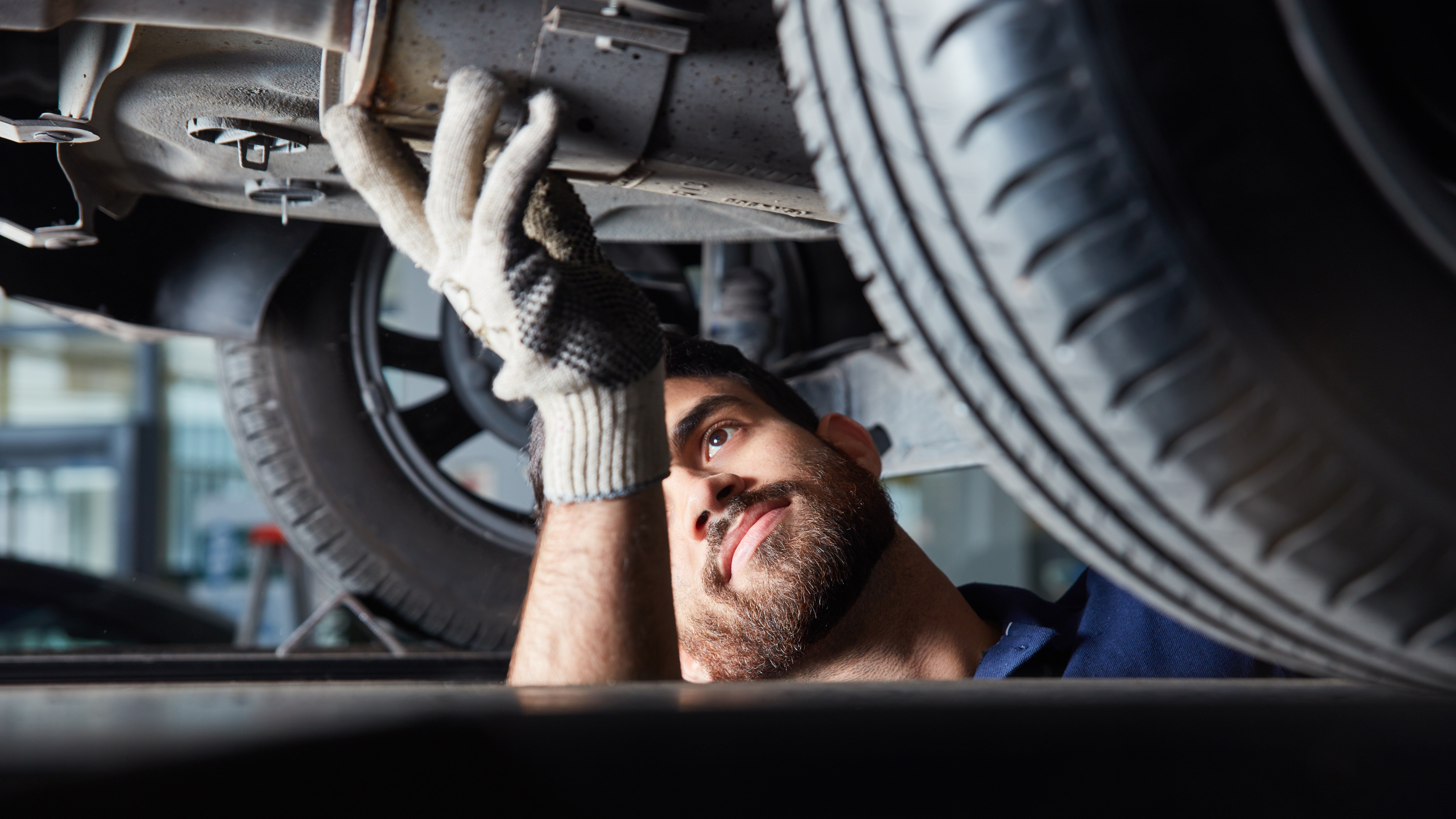
Technicians are the lifeblood of any service department, and they can get more done with more efficient workflows. The biggest hurdle is reducing downtime. Your marketing strategy needs to ensure customers and vehicles are constantly coming in, and stagger automotive service appointments based on shop capacity and part availability. Consider offering mobile service so simple jobs are handled in the field, freeing up service bays for more complex work.
Simple fixes in the shop can also make a huge difference:
- Ensuring parts and tools are accessible helps technicians spend more time servicing cars.
- Dedicated leaderboards keep everyone on task and may reduce work order times by up to 20%.
- Digital multi-point inspections (MPIs) streamline communication, build customer trust, and create upsell opportunities.
The automotive sector is always evolving, so it’s also important to invest in ongoing technician training. Most car manufacturers offer tailored programs for their dealership networks, preparing technicians for tomorrow’s challenges.
Targeted Marketing Using CRM Data
Dealerships don’t always know when customers need service, but CRM data supports educated guesses. If dealerships know a vehicle’s make, model, mileage, and history, they can estimate when milestones will be reached and proactively contact customers to book an appointment. This sort of targeted outreach offers the customer real value based on their individual situation, improving response rates over generic marketing.
Leveraging data for seasonal or loyalty-based promotions also incentivizes repeat business. CRM data can even be cross-referenced with recall databases to contact customers who otherwise opted out of communication, providing a tremendous opportunity to re-engage lapsed customers and bring them back to the service department at no cost to them.
Optimize recall management with 4:1 ROI, guaranteed. Schedule your demo.
Maximized Warranty Labor Rates
Many dealers dislike recall work because the compensation isn’t as high as customer-pay projects, but it doesn’t have to be that way. Many states have laws requiring automotive manufacturers to reimburse dealers at their usual retail labor rate, not a fixed preapproved amount.
Dealers can increase their warranty labor rate further by conducting 100-RO analysis: 100 sequential customer-pay repair orders (ROs) to establish what their service department is “worth.” Dealerships should audit these ROs to ensure that all labor hours, supplies, and diagnostics are included in the invoice. The resulting figure is used to prove the necessity of a higher rate for manufacturers.
Dealers should also track warranty effective labor rates (WELR) and compare them to regional benchmarks and their own compensation rates to ensure fair reimbursement.
Transparent Pricing
Customers don’t want to guess what service costs, so being upfront about pricing can meaningfully boost service revenue in the long run by ensuring a better customer experience. Digital estimates before work begins build trust, since the final invoice won’t include unwelcome surprises. Patiently explaining line-item breakdowns in simple language helps customers understand what service was performed and why it cost what it did.
Car repairs and maintenance are substantial costs to many customers, so managing expectations, and by extension, emotions, is crucial. While no one enjoys paying for automotive service, dealerships can make it as painless as possible by being straightforward about the value they’re providing. The service might be approved either way, but the experience can determine whether the customer returns in the future.
Superior Customer Experience
Providing a great customer experience is the best way to get them to come back to the service department, driving top-line revenue growth. Appointment scheduling should be painless, and customers should receive proactive SMS updates on their vehicles. All communication should be conversational and professional, with every customer treated as a top priority.
A loyalty or rewards program can dramatically increase the perceived value of automotive service, promoting customer retention. Mobile service is a great way to meet customers where they are and save them valuable time going to the dealership.
At the end of the day, if a dealership anticipates customer needs, they’re more likely to choose that dealership again. Thoughtful, personalized outreach and upfront pricing help customers feel better about their auto service choices, driving long-term loyalty.
Use BizzyCar to Optimize Service Lane Efficiency
BizzyCar is built to bridge the gap between theoretically smarter fixed op strategies and actual performance. Recall Outreach leverages AI to identify local vehicles with open recalls and contact owners to book service appointments, handling the booking process from start to finish for you. Manufacturer-paid recall work removes the financial barrier of bringing a car in for service. Once it’s there, dealerships can identify other recommended maintenance services or even discuss trade-in options.
Looking to get more out of existing appointments? Recall Scout identifies recalls in vehicles already coming in for service, proactively obtaining customer permission to add the fix at no cost to them and generating more revenue per appointment for your dealership.
Looking for outreach beyond recalls? Service Engine supports multiple fixed operations, including upcoming service intervals and lapsed service recovery, to engage new customers while re-engaging old ones. Like our other products, Service Engine runs in the background, identifying vehicles that need routine maintenance such as oil changes and inspections, previously denied recommended work, or an initial service visit.
All three products support autonomous interactive texting, meaning AI contacts customers directly and solicits service appointments. Customer questions are answered reliably, and the software double-checks shop capacity and part availability to ensure smooth operations when the vehicle arrives. Booked appointments are added to the dealership’s service scheduler and DMS automatically, so no training is needed to use the software. Everything seamlessly integrates into one comprehensive system that drives service department revenue for a guaranteed minimum 4:1 ROI.
What about the off-site advantage? Our Mobile Service product leverages AI for the logistics of calls outside the shop, allowing technicians to focus on fixing cars instead of routing, scheduling, or documentation. It’s the easiest way for dealerships to bring service to their customers.
Discover Why More than 3,000 Auto Dealers Trust BizzyCar
BizzyCar was designed for the unique needs of dealerships and their customers. Book a 20-minute demo with BizzyCar today and see how advanced AI supports smarter fixed op strategies.